
Thursday, July 16 2026
Today’s main focus was a visit to “Britain’s first smart home”, which is the way the National Trust describes Cragside House and Gardens. Almost every review or blog article I read about Cragside said you need a day to visit so that’s what I planned and I was not disappointed.
Cragside is a hilly 1,000 acre estate that, in the late 19th century, was owned by William and Margaret Armstrong. William was a successful businessman who developed armaments which were sold globally and experimented with hydraulics as a way to improve life. His armaments company produced everything from field guns to battleships and his hydraulics company produced the mechanisms that operate the Newcastle swing bridge and was originally used to raise the lower level of London’s Tower Bridge for boats to pass under. These innovations financed his experimentation at Cragside. Margaret was wealthy in her own right and a botanist who was instrumental in developing the beautiful gardens. Both were generous philanthropists and their endowments helped to establish the Great North Museum and Newcastle University.
William was dedicated to using the flow of water over his hilly estate to provide a more comfortable life in the house. He created dams and lakes on the property to manage the water to drive generators and pumps which provided central heating, gravity fed hot and cold running water, a telephone connection to the tenant farmers on the land, and the first home in the world to be lit by hydro-electricity.
The grounds are beautiful and the first thing I did was walk one of the many trails to see much of the water management that William developed.
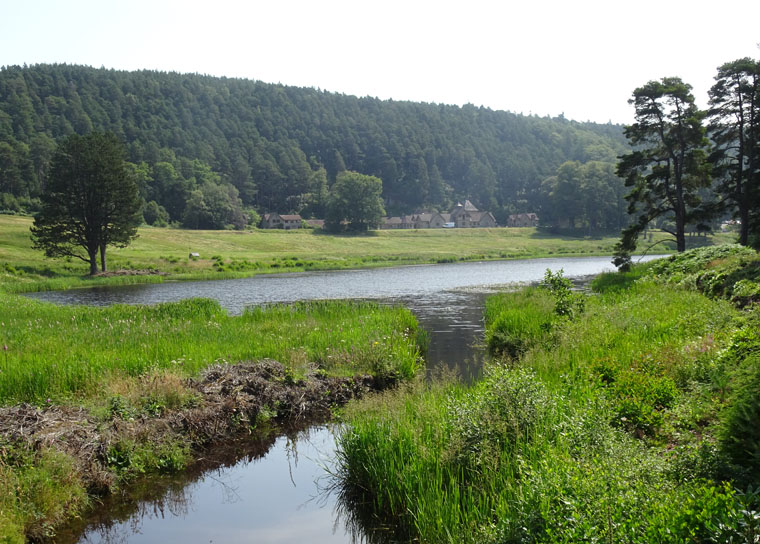
Tumbleton Lake was used to generate electricity using an Archimedes Screw. Traditionally the mechanism was used to raise water by having animals turn the screw but he used flowing water to turn the screw and generator to provide hydro-electric power for the house.
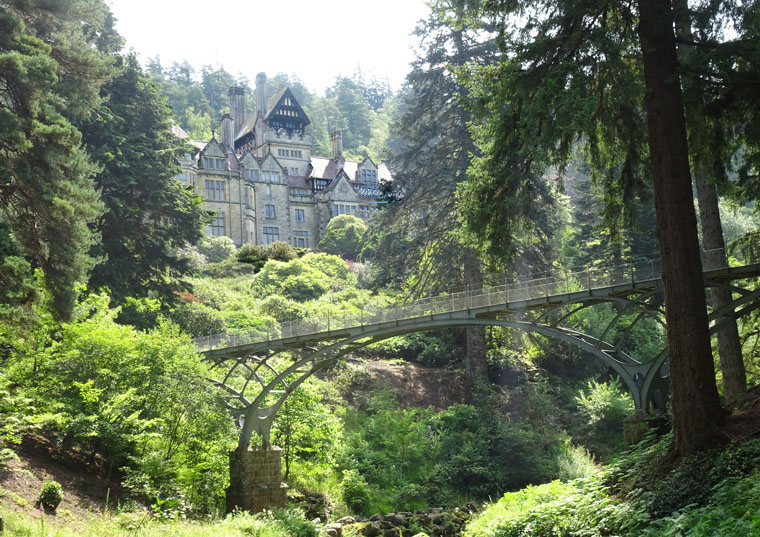
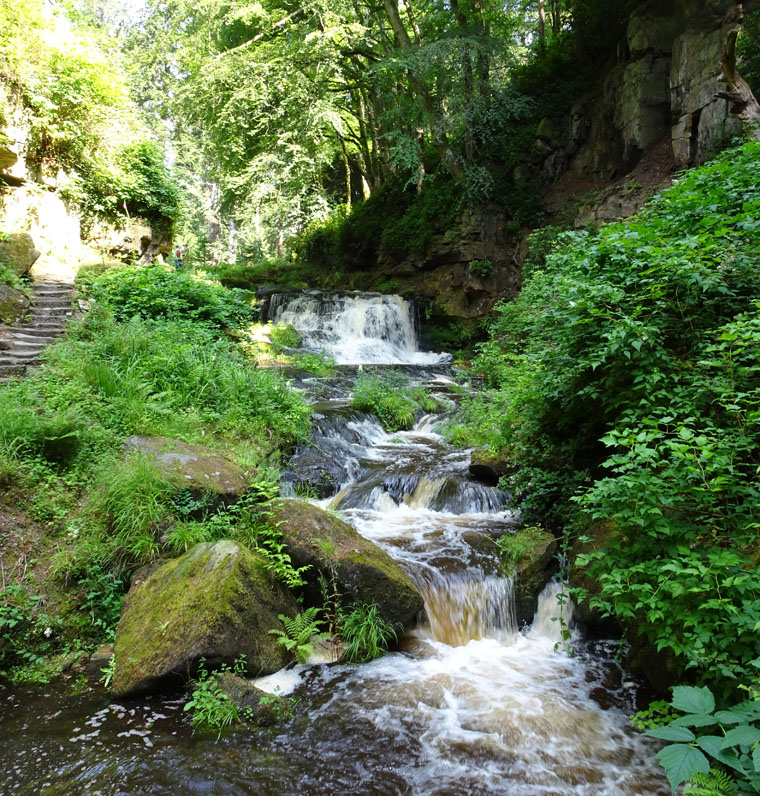
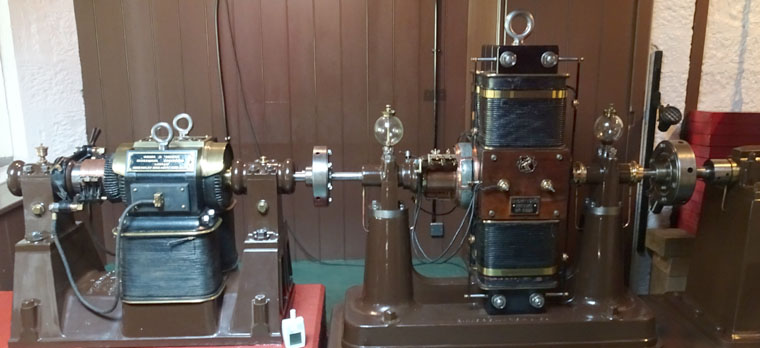
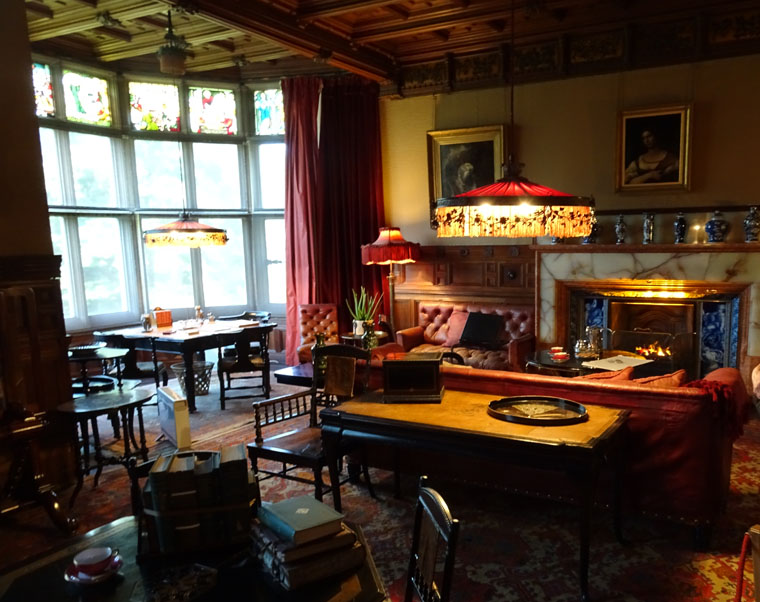
After almost two hours walking the trail and looking at the exhibits I toured the house which contained an experimental dish washer and other gadgets to impress the Armstrong visitors and make this one of the most advanced homes of it’s time.
There was a 6 mile driving loop called the Carriage Drive around the estate and, after having lunch at the visitor centre, I drove this and walked another trail before leaving for Gateshead, just south of Newcastle. It was a wonderful visit which very much matched up with my interests.
Nice house! Glad you’re enjoying the trip. Baking hot here. Spending a lot of time at the pool!!
Off to the UK next week for a quick trip home.
Enjoy the north!
Nearing the end of the trip but enjoyed it so far. I think England is due for another round of heat next week so you will be well acclimatized. Safe travels and enjoy!